
If you have young children, you already know this truth: kids get sick a lot. Most of the time, it’s nothing serious. Still, it can feel stressful when your child has a high fever, trouble breathing, or just seems “off.”
The most common childhood illnesses include the common cold, ear infection, sore throat, strep throat, pink eye, hand foot and mouth disease, RSV, croup, and stomach bugs.
Most are mild and caused by a viral infection. Some need help from a pediatrician or urgent care. Knowing what to watch for can help you stay calm and act quickly when your child needs care.
Let’s walk through the big ones in a simple, easy way.
Why Kids Get Sick So Often
Kids are still building their immune systems. That means they catch more germs than adults.
Places like daycare and school make it even easier. Kids are in close contact, sharing toys, touching everything, and yes… sneezing right next to each other.
Good hygiene like handwashing helps, but it doesn’t stop everything. That’s why having trusted healthcare services nearby can make a big difference when your child needs care.
The Common Cold
The common cold is the one you’ll see the most.
Signs to watch for:
- Runny nose
- Sneezing
- Mild cough
- Cold-like symptoms
- Low fever
This is a viral illness, so antibiotics won’t help. Most kids feel better in about a week.
What helps:
- Rest
- Fluids
- Over-the-counter medicine (ask your healthcare provider first)
If your child has trouble breathing or signs of dehydration, it’s time to get help.
Ear Infection
Ear infections are very common in young children.
Signs:
- Ear pain or ear pain that comes and goes
- Pulling at the ear
- Fussiness
- Trouble sleeping
- Fever
Sometimes ear pain comes after a cold or sinus infection. Some ear infections clear on their own. Others may need treatment if caused by a bacterial infection.
Sore Throat and Strep Throat
A sore throat can come from many things, like a cold or allergies. Strep throat is different. It is a bacterial infection.
Signs of strep throat:
- Sudden sore throat
- High fever
- Swollen glands
- No cough
A test is needed to confirm strep throat. If positive, your pediatrician will treat it.
RSV (Respiratory Syncytial Virus)
Respiratory syncytial virus, or RSV, is a common respiratory infection in kids. For older kids, it looks like a cold. For babies, it can be more serious.
Signs:
- Runny nose
- Wheezing
- Trouble breathing
- Difficulty breathing
- Fast breathing
RSV can lead to bronchiolitis, which affects the airways. If your child is working hard to breathe, go to urgent care right away.
Croup
Croup is a viral illness that affects the airways. It often shows up with a very distinct cough.
Signs:
- Barking cough
- Hoarse voice
- Trouble breathing at night
Cool air and fluids can help. Severe cases need medical care.
Hand Foot and Mouth Disease
Hand foot and mouth disease is common in daycare settings.
Signs:
- Fever
- Mouth sores
- Blisters on hands and feet
- Loss of appetite
Kids may drool or avoid eating because their mouth hurts. This illness spreads easily through close contact.
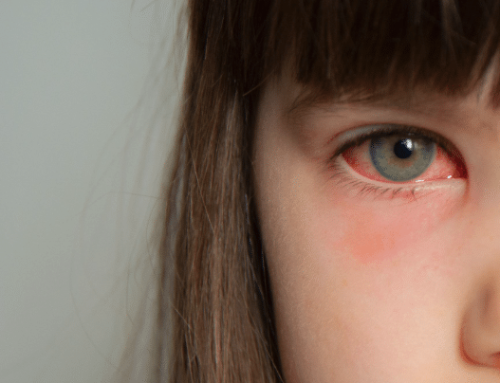
Pink Eye
Pink eye is a common skin infection of the eye area. It can be viral or bacterial.
Signs:
- Red eyes
- Crusting
- Itching
- Discharge
Good hygiene and handwashing help stop the spread.
Chickenpox and Measles
Thanks to vaccines and immunization, these are less common now. Still, they can happen.
Chickenpox signs:
- Itchy rash
- Blisters
- Fever
Measles signs:
- High fever
- Rash
- Cough
- Runny nose
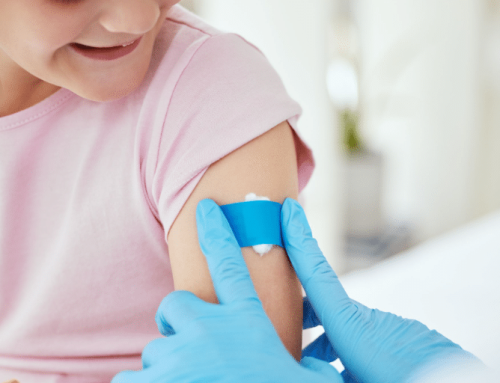
Vaccines are the best way to protect your child’s health from these serious illnesses.
Sinus Infection
A sinus infection can follow a cold.
Signs:
- Thick nasal drainage
- Facial pain
- Headache
- Fever that lasts
If symptoms last more than 10 days, it may need treatment.
Urinary Tract Infections
Urinary tract infections can happen in kids too.
Signs:
- Pain with urination
- Fever
- Belly pain
- Accidents in potty-trained kids
These need care from a health care provider.
Head Lice
Head lice are common in school-aged kids.
Signs:
- Itchy scalp
- Small white eggs on hair
They spread through close contact, not poor hygiene.
Signs You Should Not Ignore
Some symptoms mean your child needs care right away.
Watch for:
- High fever that won’t go down
- Trouble breathing or difficulty breathing
- Wheezing
- Signs of dehydration
- Not waking easily
- Severe ear pain
- Rash with fever
If something feels wrong, trust your gut and get help.
Dehydration: What to Look For
Dehydration can happen fast in kids.
Signs of dehydration:
- Dry mouth
- No tears when crying
- Fewer wet diapers
- Low energy
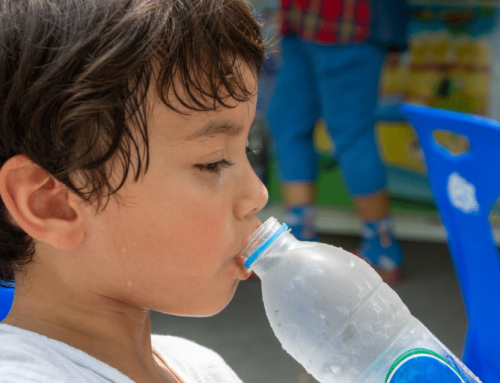
Offer fluids often. If your child can’t keep fluids down, seek care.
How to Prevent Illness
You can’t stop every illness, but you can lower the risk.
Simple steps:
- Handwashing often
- Avoid close contact with sick kids
- Keep up with vaccines and immunization
- Clean shared surfaces
- Teach kids to cover sneezing
These habits support strong immune systems.
Mental Health Matters Too
Physical illness is not the only concern. Mental health is part of your child’s health.
Kids may feel stress when they are sick or miss school. Pay attention to mood changes and offer comfort and support.
When to Visit a Pediatrician or Urgent Care
Some illnesses can be treated at home. Others need help.
Visit your pediatrician if:
- Symptoms last longer than expected
- Your child has a high fever
- You suspect strep throat or ear infection
Go to urgent care if:
- Trouble breathing
- Severe dehydration
- Sudden worsening symptoms
A trusted healthcare provider can guide you and help your child feel better faster.
FAQ: Common Childhood Illnesses
How do I know if my child has a viral infection or bacterial infection?
Viral infections are more common and often come with cold-like symptoms. Bacterial infections may include high fever and more severe symptoms. A pediatrician can help tell the difference.
When should I worry about a fever?
A high fever, especially with other symptoms like difficulty breathing or low energy, should be checked out.
Can my child go to daycare when sick?
If your child has a fever, vomiting, or a contagious illness like hand foot and mouth disease, keep them home to avoid spreading it.
What helps boost my child’s immune system?
Healthy food, sleep, good hygiene, and staying up to date on vaccines all support immune systems.
Are over-the-counter medicines safe?
Some are, but always check with your health care provider for the right dose and type for your child.
You Don’t Have to Handle This Alone
Caring for a sick child can feel overwhelming. The good news is you have help close to home.
At Premiere Family Medical, caring providers understand what families need. From common colds to more serious concerns, we are here to support your child’s health every step of the way.
Ready for peace of mind? Save your spot today and get your child the care they need.