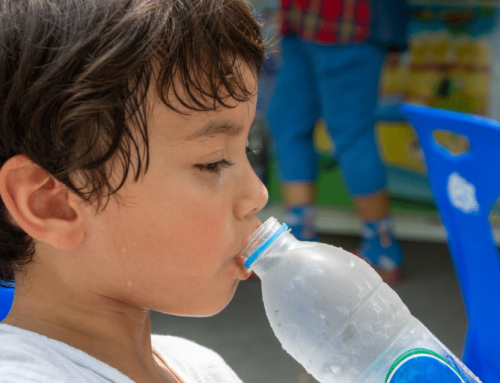


Utah summers are hot, and kids lose fluids fast when they are running around in the heat. The good news is that dehydration in children is easy to spot once you know the early signs, and most cases can be handled at home with extra fluids.
Watch for clues like a dry mouth, fewer wet diapers, or a child who seems unusually tired or cranky. Catching it early helps you treat mild dehydration before it turns into something serious. We’ll get into the details in this blog.
With our services at Premier Family Medical, we want Utah parents to feel confident spotting the signs and know exactly when to bring your child in.
What Causes Dehydration in Children
Kids lose fluids more quickly than adults, especially during hot weather or when they are sick. Their small bodies simply have less to spare.
Common causes of fluid loss include:
- Vomiting and diarrhea from a stomach bug.
- A fever that pushes the body to work harder.
- Lots of sweating during outdoor play in the heat.
Some kids face a higher risk than others. Young children, babies who are breastfeeding, and those with conditions like diabetes can lose fluids faster. Certain medicines called diuretics can also play a role.
Early Signs of Mild Dehydration
Mild to moderate dehydration usually shows up in small ways first. Spotting these clues early makes treatment much simpler.
Look for these signs in your child:
- A dry mouth, dry lips, or no tears when crying.
- Fewer wet diapers or fewer trips to the bathroom.
- A child who seems tired, irritable, or cranky.
Older kids might mention a headache, dizziness, or feeling lightheaded. They may also seem less interested in play than usual.
For babies, check their diapers. Fewer wet diapers than normal is one of the clearest early signs.
Signs of Moderate to Severe Dehydration
Moderate dehydration brings stronger signs that need quicker action. Severe dehydration is a medical emergency.
Call us or seek care if you notice:
- Sunken eyes or a sunken soft spot on a baby’s head.
- No urination for many hours, or very dark urine.
- Drowsiness, confusion, or a child who is hard to wake.
A sunken fontanelle, which is the soft spot on a baby’s head, is a key warning sign. Other red flags include a rapid heartbeat, deep drowsiness, or a lethargic child who will not perk up.
In the most serious cases, severe dehydration can lead to seizures or signs of heatstroke. These need medical attention right away, so call 911 if your child seems very ill.
How to Treat Mild Dehydration at Home
Most mild cases respond well to fluids given slowly and steadily. The goal is to replace what the body has lost without overwhelming the stomach.
Try these steps at home:
- Offer small sips of water or oral rehydration solutions often.
- Use a product like Pedialyte to replace electrolytes.
- For babies, continue breastfeeding or formula in small, frequent feedings.
Oral rehydration solutions work better than plain water for replacing electrolytes. Sports drinks and fruit juice can be high in sugar, so water it down or check with your pediatrician first.
If your child is vomiting, wait a few minutes, then start with tiny sips. Slow and steady usually stays down better than large amounts at once.
When to Call the Doctor
Some signs mean it is time to stop home care and reach out for help. Trust your gut if something feels off.
Contact your pediatrician or come see us if your child has:
- No urination for eight hours or more.
- Ongoing vomiting or diarrhea that will not slow down.
- A high fever, sore throat, or signs of getting worse instead of better.
Babies under one year old need extra caution, since they dehydrate quickly. Call us sooner rather than later if your little one shows any warning signs.
If your child seems confused, very drowsy, or has a seizure, treat it as an emergency. We can check your child, replace fluids, and help them feel better fast.
FAQ
How can I tell if my baby is dehydrated?
Check for fewer wet diapers, a dry mouth, and no tears when crying. A sunken soft spot on the head is another key sign. Call us if you notice these, since babies dehydrate quickly.
What is the best drink for a dehydrated child?
Oral rehydration solutions like Pedialyte work best because they replace electrolytes. Plain water is fine for small sips too. Limit sugary sports drinks and fruit juice, or water them down first.
How quickly can dehydration become serious?
It depends on the cause, but vomiting, diarrhea, and hot weather can speed things up. Young children can move from mild to severe dehydration within a day. Watch closely and offer fluids early.
Can my child get dehydrated from a fever alone?
Yes, a fever makes the body lose fluids faster through sweating. Offer extra fluids whenever your child is running a temperature. Keep an eye out for a dry mouth or fewer wet diapers.
When does dehydration need emergency care?
Seek immediate help for no urination, sunken eyes, confusion, or a seizure. Signs of heatstroke also need fast care. Call 911 if your child is hard to wake or seems very ill.
How do I keep my kids hydrated in the summer heat?
Offer water often, even before they say they are thirsty. Take breaks in the shade during outdoor play. Pack extra fluids for hot days and watch for early signs of fatigue.
Keep Your Kids Healthy with Premier Family Medical
Summer should be about popsicles and playtime, not panic. Most dehydration clears up at home, but you know your child better than anyone.
When something feels off, getting a professional opinion early can save you a stressful night.
That is exactly what Premier Family Medical is here for. With urgent care and family medicine under one roof at locations across Utah County, we can check your child, replace lost fluids, and help them bounce back fast.
Save Your Spot at a Utah location near you, and we will take it from there.