
Ticks are tiny, but they can cause real worry for parents during a Utah summer. The most important thing to know is that a tick bite is usually harmless, and quick removal can lower the risk of tick-borne disease.
If you find a tick on your child, stay calm and remove it right away with fine-tipped tweezers, then clean the area. Most bites cause nothing more than a small bump, but it helps to watch for signs like a fever, rash, or fatigue in the days after.
At Premier Family Medical, we want Utah families to feel ready to handle ticks and know exactly when to bring your child in. Let’s get into more detail.
Where Ticks Hide in Utah
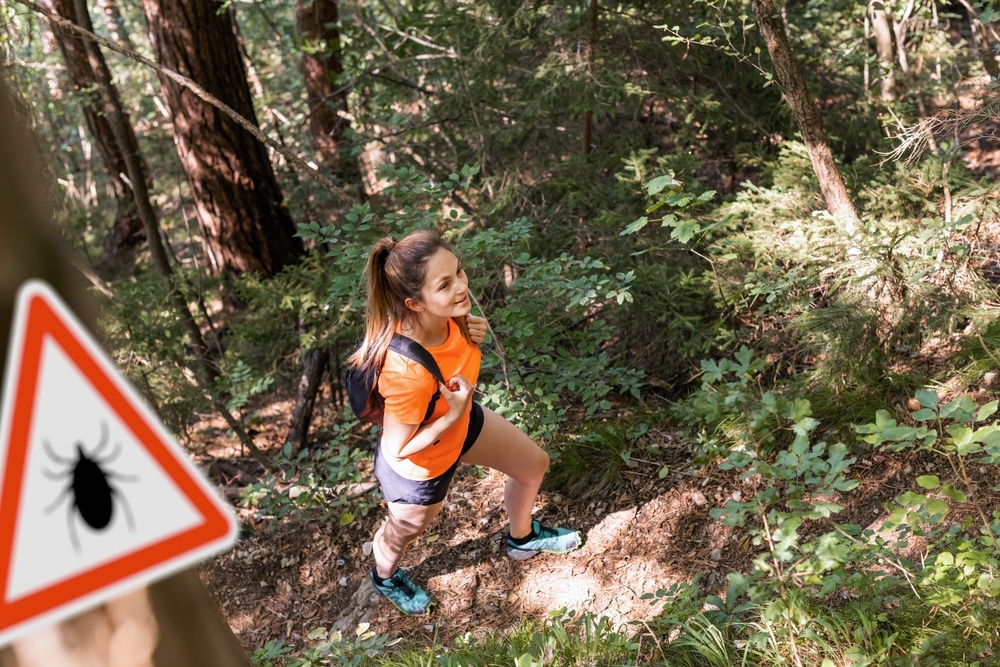
Ticks love cool, shady spots where they can wait for a host to brush past. Knowing their favorite hiding places helps you avoid them on family hikes and backyard play.
Watch for ticks in areas like these:
- Tall grass along trails and field edges.
- Piles of leaf litter under trees and bushes.
- Brushy, wooded areas where pets and wildlife roam.
Utah is home to a few tick species, including the blacklegged tick, the deer tick, and the lone star tick. Each can carry different germs, so it helps to be careful no matter which one you spot.
Smart Ways to Prevent Tick Bites
A little planning keeps ticks off your kids before they ever get close. Prevention is the easiest part of tick safety.
Try these simple steps before heading outdoors:
- Dress kids in long-sleeved shirts and tuck pants into socks.
- Choose light-colored clothing so ticks are easy to spot.
- Apply insect repellent with DEET or picaridin to exposed skin.
For extra protection, you can treat clothing and gear with permethrin, which works as an insecticide that repels and kills ticks. The Environmental Protection Agency offers a handy tool to help you pick the right tick repellent for your family.
After any time outdoors, do a full tick check. Run your hands over your child’s scalp, behind the ears, under the arms, and behind the knees where ticks like to attach.
How to Remove a Tick the Right Way
Proper tick removal matters, since pulling incorrectly can leave parts behind. The goal is to take the whole tick out cleanly and quickly.
Here is the safest method:
- Grab fine-tipped tweezers and grip the tick close to the skin.
- Pull straight up with steady, even pressure and avoid twisting.
- Clean the bite area and your hands with soap and water.
Do not use heat, nail polish, or other home tricks to make a tick back out. Plain tweezers and a steady hand are all you need.
If you can, save the tick in a sealed bag in case our team needs to see it later. This can help us identify the type and any related risk.
Tick-Borne Illnesses to Know About
Most bites never lead to illness, but a few tick-borne illnesses are worth understanding. Knowing the names helps you ask the right questions if your child feels sick.
Lyme disease is the best known, caused by bacteria called borrelia burgdorferi. Other tick-borne diseases in our region include Rocky Mountain spotted fever, Colorado tick fever, anaplasmosis, ehrlichiosis, babesiosis, tularemia, and the rare Powassan virus.
The classic Lyme disease sign is a bulls-eye rash that spreads out from the bite. Not every child gets this rash, so it helps to watch for other symptoms too.
Symptoms to Watch For
Tick-related illness often starts with flu-like symptoms a few days to weeks after a bite. Catching these early makes treatment much easier.
Call us if your child shows any of these signs after a tick bite:
- A fever, chills, or headache that will not let up.
- Body fatigue, joint pain, or a stiff neck.
- A spreading rash or the telltale bulls-eye pattern.
Left untreated, Lyme disease can lead to longer-term problems like arthritis and joint swelling. The good news is that most tick-borne illnesses are often treatable with antibiotics when caught early.
If your child seems sick after time outdoors, don’t wait it out. We can run the right tests, start treatment, and put your mind at ease.
FAQ
How do I safely remove a tick from my child?
Use fine-tipped tweezers to grip the tick as close to the skin as possible. Pull straight up with steady pressure and avoid twisting or squeezing. Clean the area with soap and water once the tick is out.
What does a Lyme disease rash look like?
The classic sign is a bulls-eye rash that spreads outward from the tick bite. It often looks like a red ring with a clear center. Keep in mind that not every child develops this rash, so watch for other symptoms too.
How soon do tick bite symptoms appear?
Symptoms can show up anywhere from a few days to a few weeks after a bite. Watch for fever, headache, fatigue, or a stiff neck. Call us if any flu-like symptoms appear after time outdoors.
Do all tick bites cause illness?
No, most tick bites are harmless and cause only a small bump. Quick removal can lower the risk of tick-borne disease. Still, keep an eye on the bite area for a week or two just in case.
What repellent works best against ticks?
Products with DEET or picaridin work well on skin, and permethrin can treat clothing and gear. The Environmental Protection Agency offers a search tool to help you choose. Always follow the label for your child’s age.
When should I bring my child to see a doctor?
Come in if your child has a fever, rash, joint pain, or other flu-like symptoms after a tick bite. Early care can make tick-borne illnesses easier to treat. Our team can evaluate the symptoms, run any needed tests, and start treatment if it is warranted.
Keep Your Family Tick-Safe with Premier Family Medical
A tick check after every hike is one of the easiest habits a Utah family can build, and it catches most problems before they start. Still, even careful parents find a bite they missed.
If your child develops a fever, rash, or just seems off after time outdoors, don’t sit on it. Our team can run the right tests and start treatment if needed. Schedule an appointment or Save Your Spot at a Utah location near you today!