

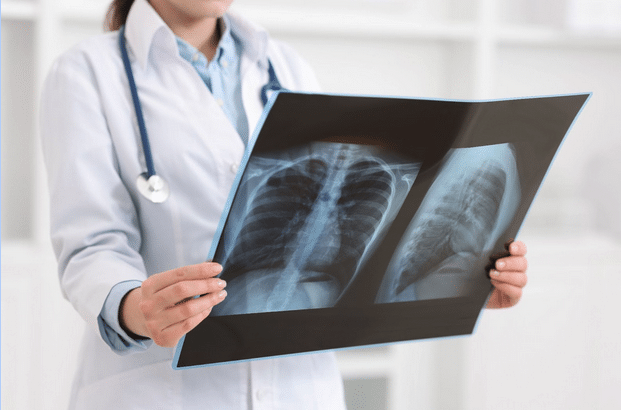
When you’re hurt, sick, or just not feeling right, knowing where to go for medical help can be confusing. Do you head to the emergency room? Call your primary care provider? Or maybe walk into an urgent care clinic? And if you think you might need an x-ray, like for a sprain, a broken bone, or even chest pain, can urgent care help?
Let’s break it down.
What Is Urgent Care, Exactly?
Urgent care centers fill a big gap in healthcare. They handle minor illnesses and injuries that aren’t life-threatening but still need attention soon. Think of it as the middle ground between your doctor’s office and the emergency department.
Most urgent care clinics offer walk-in access, same-day appointments, and shorter wait times than the ER. They’re perfect for things like:
- Sprains
- Rashes
- Insect bites
- Ear infections
- Sore throats
- Flu symptoms
- Urinary tract infections
- Strep throat
- Sinus infections
But can they handle more than just sniffles and bug bites?
Yes, Urgent Care Centers Do X-Rays
One of the biggest advantages of urgent care facilities is that many have on-site x-ray services. So if you’ve taken a nasty fall, twisted your ankle, or banged your elbow and you’re wondering, “Did I break something?”, you don’t have to rush to the emergency room.
Urgent care clinics often have the equipment and trained staff (like radiologic technologists, nurse practitioners, and physician assistants) to take and read x-rays right then and there.
That means:
- No long wait times.
- No need for a referral.
- No bouncing between offices just to figure out what’s wrong.
Just walk in, get the medical attention you need, and get on with your day.
What Kind of Injuries Can Be X-Rayed at Urgent Care?
Let’s say you slipped on the ice, tripped on the stairs, or landed weird during your kid’s soccer game. You’re in pain, maybe swelling, maybe bruised. Urgent care can help you check for:
- Broken bones
- Sprains and strains
- Dislocated joints
- Foreign objects (like a splinter or piece of glass)
- Minor chest pain (not related to a heart attack)
Most urgent care services include x-ray capabilities that are perfect for these types of injuries. But if it turns out your condition is more serious, like if the x-ray shows a complex fracture, you’ll get a referral to a specialist or even the emergency department if needed.
What Can’t Be Treated at Urgent Care?
While urgent care centers are incredibly helpful, they’re not the right place for every medical situation. If you’re experiencing a life-threatening condition, skip urgent care and head straight to the emergency room or call 911.
Go to the emergency department if you have:
- Signs of a heart attack (like severe chest pain or shortness of breath)
- Symptoms of a stroke (like facial drooping, arm weakness, or slurred speech)
- Major lacerations or severe bleeding
- Serious abdominal pain
- High fever in very young children
- Seizures
- Loss of consciousness
- Trouble breathing or severe allergic reactions
In other words: if it feels like a medical emergency, it probably is. Don’t wait, go to the emergency room.
What Happens After the X-Ray?
If your x-ray shows something that needs more medical care, the urgent care team will explain the next steps. That might include:
- A splint or brace for a sprain or fracture
- A referral to an orthopedic specialist
- A follow-up with your primary care doctor or primary care provider
- Prescriptions for pain or inflammation
And because many urgent care facilities are connected to larger healthcare systems, your medical records can be shared with your primary care physician to keep your care seamless.
What Else Does Urgent Care Treat?
X-rays are just one part of what urgent care clinics do. Here’s a quick list of medical conditions and services they typically handle:
- Vaccinations (like flu shots and tetanus boosters)
- Minor illnesses (fever, cold, flu symptoms, infections)
- Skin issues (rashes, insect bites, allergic reactions)
- Digestive issues (nausea, vomiting, abdominal pain)
- Basic emergency medicine (minor cuts, burns, sprains)
- Follow-up care after a previous ER visit
- School, sports, and work physicals
- Some urgent care services even offer lab tests, stitches, and IV fluids
Urgent Care vs Primary Care vs Emergency Room: When to Go Where
Still not sure where to go when something feels off? Here’s a quick cheat sheet:
Go to Primary Care When:
- It’s a chronic condition (like diabetes or high blood pressure)
- You need a check-up or preventative care
- You’re managing mental health or long-term treatment plans
- You want to talk to your regular primary care provider
Go to Urgent Care When:
- It’s after hours or the weekend
- You need help fast, but it’s not a medical emergency
- You need an x-ray, vaccinations, or help with a minor illness
- You don’t want to wait for a doctor’s appointment
Go to the Emergency Room When:
- You’re in a life-threatening situation
- You have serious chest pain, a heart attack, or stroke symptoms
- You’re bleeding heavily or can’t breathe
- You’re dealing with a crisis that could be fatal
Convenience Meets Quality in Urgent Care
The beauty of urgent care facilities is that they blend the convenience of a walk-in clinic with many of the medical services you’d expect from a larger healthcare center.
They’re perfect for people who:
- Can’t get in to see their primary care doctor
- Need fast answers and treatment
- Want on-site x-ray services
- Don’t want to spend hours in the emergency department
At Premier Family Medical, our urgent care clinics are staffed with experienced physician assistants, nurse practitioners, and other professionals who are ready to help you feel better, fast.
FAQs About Urgent Care and X-Rays
Do I need an appointment for an x-ray at urgent care?
Nope! Most urgent care centers accept walk-ins. Just come in during business hours.
How long will it take to get my results?
Most x-ray results are available during your visit. Your provider will go over the images with you and talk through the next steps.
Is urgent care cheaper than the emergency room?
Yes, in most cases. Urgent care visits usually cost a fraction of what you’d pay in the ER, especially if your issue isn’t life-threatening.
Will my insurance cover urgent care x-rays?
Most insurance plans do cover urgent care services, including x-rays, but it’s always smart to double-check with your provider.
Can I follow up with my regular doctor?
Absolutely. If you already have a primary care physician, we’ll help coordinate a follow-up appointment so you stay on track.
The Bottom Line
So, does urgent care do x-rays? The answer is yes!
From broken bones and sprains to chest pain and rashes, urgent care clinics are equipped to help you quickly, safely, and affordably. When it’s not quite an emergency but too urgent to wait, urgent care is your go-to for x-ray services, fast answers, and quality care.
At Premier Family Medical, we’re here for you. Need care now but don’t want to sit in a waiting room? Use our Save My Spot tool online to check in ahead of time. It’s quick, easy, and helps you skip the line.