
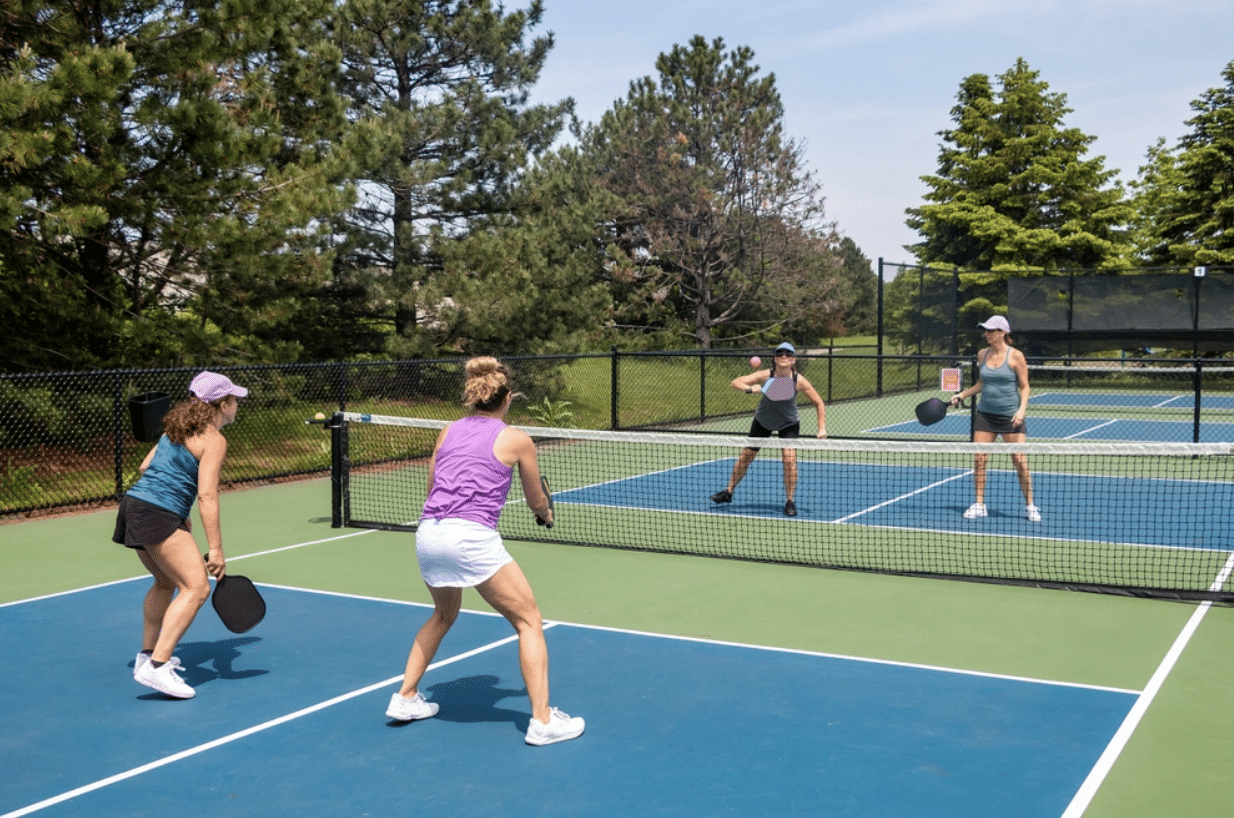
Pickleball has taken the world by storm, captivating players of all ages with its fun and fast-paced nature.
As the sport continues to grow in popularity, so do the number of injuries associated with it. Whether you’re a seasoned player or just starting out, understanding how to stay safe on the court is crucial.
Keep reading to learn more about the fastest growing sport in America and discover how you can enjoy this exciting sport while minimizing the risk of injury.
Why is Pickleball so Popular?
Pickleball’s popularity shows no signs of slowing down. But why is everyone suddenly obsessed with pickleball?
Let’s rewind a bit. Pickleball was invented in the mid-1960s as a backyard game for families. Fast forward to today, and it’s a full-blown phenomenon, with courts popping up everywhere from local parks to upscale fitness clubs. The sport blends elements of tennis, badminton, and ping-pong, making it accessible and enjoyable for a wide range of people.
So, who’s playing pickleball? Pretty much everyone! It’s especially popular among older adults, thanks to its low impact compared to other racket sports. But don’t be surprised to see teenagers and young adults on the court, too. Its appeal lies in its simplicity—easy to learn, hard to master—and the social aspect, where games are filled with laughter and light-hearted competition.
Common Pickleball-Related Injuries
Sprains and Strains
First up on the common pickleball injury hit list: sprains and strains. These usually happen because pickleball involves a lot of quick movements and sudden stops. One minute you’re lunging for that perfect shot, and the next, you’re wincing in pain because you twisted your ankle.
Overuse Injuries
Next, we have overuse injuries. You might not feel it right away, but playing pickleball frequently can lead to conditions like tennis elbow or shoulder tendonitis. These are the result of repetitive motions that put a strain on your muscles and tendons. If you’ve ever felt a nagging pain in your elbow or shoulder after a game, you know what we’re talking about.
Fractures and Dislocations
And let’s not forget the more dramatic injuries like fractures and dislocations. While they’re less common, they do happen, especially if you take a tumble on the court. A slip here, a fall there, and suddenly you’re in a cast or sling.
Why Are Pickleball Injuries on the Rise?
Why are these injuries on the rise? Simple. More people are playing pickleball than ever before. With the increase in players, there’s naturally an increase in injuries. It’s a numbers game.
While these injuries sound scary, they don’t have to keep you off the court.
How to Prevent Pickleball Injuries
Alright, let’s get into the good stuff—how to keep yourself injury-free and ready for action on the pickleball court. Because let’s face it, nobody wants to be sidelined when they could be smashing some epic shots.
Proper Warm-Up and Stretching Exercises
First things first, let’s talk about warming up. It might sound like a no-brainer, but you’d be surprised how many people skip this step. Before you even think about picking up that paddle, spend a good 10-15 minutes warming up. Do some light jogging or brisk walking to get your blood pumping. Follow that up with dynamic stretches—think leg swings, arm circles, and lunges. This helps to loosen up your muscles and get them ready for the game.
Importance of Good Technique and Form
Next, let’s chat about technique. Good form isn’t just for showing off. It’s essential for preventing injuries. Focus on using proper body mechanics when you play. Bend your knees, keep your back straight, and don’t overextend your arm when reaching for the ball. If you’re new to the game, consider taking a lesson or two from a pro. They can help you nail down the right techniques, so you’re not putting unnecessary strain on your body.
Appropriate Gear and Equipment Recommendations
Finally, gear up! Wearing the right equipment can make a world of difference. Invest in a good pair of court shoes with solid ankle support. These will help prevent those dreaded ankle sprains. Also, make sure your paddle is the right weight for you. A paddle that’s too heavy can lead to overuse injuries in your wrist and shoulder. And don’t forget about protective eyewear.
Pickleball Safety & Court Etiquette
Alright, pickleball enthusiasts, let’s keep the good times rolling with some on-court safety practices. These tips will help you avoid unnecessary accidents and keep the fun going without a hitch.
Rules and Etiquette to Prevent Collisions and Accidents
First up, let’s talk about rules and etiquette. Simple things like calling “mine” when going for a shot can prevent those awkward mid-court collisions with your partner. And always be aware of your surroundings. Keep an eye on where your teammates and opponents are to avoid any unexpected crashes.
Awareness and Communication with Other Players
Communication is key. Shout out if you’re going for the ball or if you see an obstacle. This helps everyone stay safe. Plus, a little bit of chatting on the court can make the game even more enjoyable.
Safe Playing Environment Tips
Lastly, let’s ensure the playing environment is as safe as possible. Before you start, do a quick check of the court. Make sure there are no wet spots, loose debris, or anything that could trip you up. Good lighting is also crucial, especially if you’re playing indoors. Poor visibility can lead to missteps and accidents. If something doesn’t look right, take a moment to fix it or alert someone who can.
First Aid and Injury Management
Even with the best precautions, sometimes injuries happen. Knowing what to do when they occur can make a big difference in your recovery. Below are some first aid and injury management tips that will help you bounce back quickly and safely.
Immediate Steps to Take When an Injury Occurs
So, you’ve twisted your ankle or pulled a muscle—what now? The first thing you need to remember is RICE: Rest, Ice, Compression, and Elevation. Rest the injured part to prevent further damage, ice it to reduce swelling, use a compression bandage to support the area, and elevate it to decrease swelling. This simple method can be a lifesaver in the first 48 hours after an injury.
When to Seek Professional Medical Help
Sometimes, RICE isn’t enough, and you’ll need to see a professional. If you experience severe pain, can’t move the injured part, or if the area looks deformed, it’s time to call a doctor. Don’t try to tough it out—getting professional help early can prevent more serious issues down the line.
Rehabilitation and Recovery Tips for Common Injuries
Once you’re past the initial injury stage, it’s all about rehab and recovery. Follow your doctor’s advice, and don’t rush back onto the court before you’re ready. Gentle stretching and strengthening exercises can help, but take it slow. Patience is key here. You want to come back stronger, not risk re-injury.
Stay in the Game with Premier Family Medical
We’ve covered a lot of ground, haven’t we? From understanding why pickleball is so wildly popular to tackling the common injuries and how to prevent them, you’re now equipped with all the knowledge you need to stay safe on the court.
And remember, if you find yourself needing urgent medical attention or physical therapy, visit Premier Family Medical in Utah County. We offer top-notch urgent care and physical therapy services to help you recover and stay healthy.
Happy playing, and stay safe out there!