
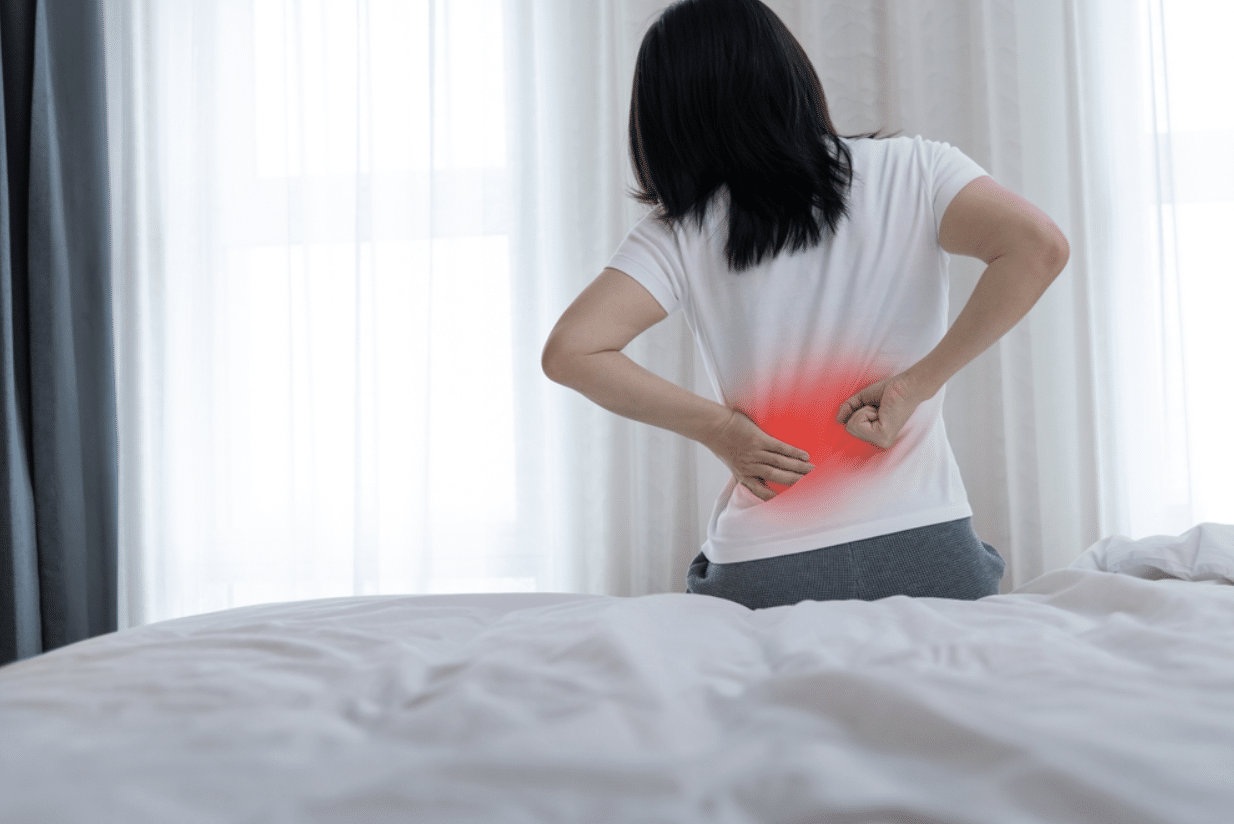
Lower back pain is one of the most common reasons women visit a healthcare provider. If you’ve ever woken up stiff, struggled to stand after sitting, or felt a sharp ache during daily activities, you’re not alone. Many women experience low back pain at some point in their lives, and the reasons can range from muscle strain to underlying medical conditions.
Let’s walk through the most common causes, how hormones and anatomy play a role, and when it’s time to seek professional care.
Common Musculoskeletal Causes
Many cases of lower back pain start with the muscles, joints, and spine. These structures work together to support movement, posture, and balance. When something is off, pain can follow.
Muscle Strains and Sprains
Muscle strains are among the most common causes of lower back pain. They often happen during heavy lifting, sudden twisting, or repetitive motions. Even everyday activities like bending to pick something up can strain back muscles or soft tissue.
Poor posture is another frequent contributor. Long hours at a desk or looking down at a phone can stress the spine and sacroiliac joint. Over time, this strain may lead to chronic back pain.
Disc and Spine Conditions
Structural changes in the spine can also trigger pain:
- Herniated discs can press on nearby nerves, including the sciatic nerve, causing sciatica and radiating pain
- Spinal stenosis narrows the space around the spinal cord and nerves
- Osteoarthritis leads to joint degeneration and stiffness
- Scoliosis alters spinal alignment
These conditions may develop gradually and can worsen with age or repetitive stress.
Hormonal and Reproductive Factors
Women experience unique hormonal cycles and reproductive health conditions that can directly affect the lower back.
Menstruation and PMS
During menstrual cycles, hormonal changes increase blood flow and inflammation in the pelvic region. This can cause cramping that radiates into the low back. Many women describe dull, aching pain that improves once menstruation ends.
Endometriosis and Fibroids
Endometriosis occurs when uterine tissue grows outside the uterus, often leading to severe pain in the pelvis and lower back. Uterine fibroids can create pressure that radiates toward the spine. These medical conditions may cause recurring pain that worsens during menstruation.
Pelvic Inflammatory Disease
Pelvic inflammatory disease is an infection that can cause deep pelvic and back pain. Early treatment is important to prevent long term complications.
Menopause and Bone Health
Menopause brings hormonal changes that affect bone density and joint stability. Osteoporosis increases fracture risk and may cause persistent low back pain. Changes in muscle tone and center of gravity can also place extra stress on the spine.
Nerve Related Pain
Nerve compression is another major source of discomfort.
Sciatica occurs when the sciatic nerve becomes irritated, often from a herniated disc or spinal narrowing. Pain may travel from the lower back into the hip and down the leg. Women often describe burning, tingling, or sharp sensations.
Nerve involvement can make daily activities like walking or standing uncomfortable and may require targeted interventions.
Lifestyle and Health Risk Factors
Several lifestyle factors increase the likelihood of back pain:
- Obesity adds mechanical stress to the spine
- Sedentary habits weaken back muscles
- Poor lifting mechanics strain soft tissue
- Pregnancy shifts the center of gravity
- Weight loss or rapid body changes alter posture
Chronic inflammation and other health conditions may also influence how pain develops and heals.
When Pain Signals Something More Serious
Most back pain improves with conservative care, but certain symptoms require prompt evaluation:
- Severe pain that limits movement
- Pain after a fall or injury
- Numbness or weakness
- Changes in bladder or bowel control
- Persistent pain that doesn’t improve
A healthcare provider can evaluate spinal cord involvement or other orthopedic concerns and recommend appropriate care.
Treatment Options and Pain Management
Treatment depends on the underlying cause, symptom severity, and your overall health.
Home Remedies and Early Care
For mild strains, many women find relief with:
- Gentle stretching
- Rest and activity modification
- Over the counter pain relievers like ibuprofen or other nonsteroidal anti inflammatory drugs
- Heat or cold therapy
These steps support healing and reduce inflammation.
Physical Therapy
Physical therapy plays a key role in recovery and prevention. A physical therapist can design exercises that strengthen core muscles, improve posture, and stabilize joints. Consistent therapy reduces future injury risk and supports long term pain management.
Interventional Pain Management
If lower back pain is severe enough to interfere with daily activities, and other treatment options have not brought enough relief, your healthcare provider may recommend interventional pain management.
Interventional pain management is a method that uses pain blocking techniques to help make day to day activities less difficult and restore quality of life. Depending on your symptoms and diagnosis, interventions may include nerve blocks, electrostimulation, implantable drug delivery systems, or in some cases surgery as part of the overall treatment process.
Medical Interventions
For ongoing pain, a healthcare provider may recommend:
- Muscle relaxants
- Targeted injections
- Imaging studies
- Referral to orthopedic specialists
A personalized treatment plan addresses both symptoms and root causes.
Supporting Your Spine Every Day
Daily habits make a real difference in how your back feels. Small adjustments can reduce strain and support spinal health:
- Maintain good posture when sitting and standing
- Use proper lifting techniques
- Stay active with low impact exercise
- Stretch regularly
- Maintain a healthy weight
- Choose supportive footwear
These simple steps protect soft tissue, joints, and nerves while improving overall mobility.
Specialized Back Pain Care Through Premier Pain & Spine
Some lower back pain improves with rest, stretching, and conservative care. When pain becomes persistent, severe, or begins interfering with daily activities, more specialized evaluation may be needed.
Premier Pain & Spine in Utah evaluates conditions such as sciatica, spinal degeneration, joint inflammation, and nerve compression. Depending on your needs, treatment options may include advanced pain management strategies, targeted interventions, or guided rehabilitation designed to restore mobility and improve quality of life.
Women dealing with recurring low back pain often benefit from this collaborative model. Instead of managing symptoms alone, you’re working with a team that understands how hormonal changes, musculoskeletal strain, and underlying medical conditions interact.
Take the First Step Toward Relief
Lower back pain in women can stem from muscle strain, nerve compression, hormonal changes, or underlying medical conditions. Understanding what causes lower back pain in women helps you recognize patterns and seek care before discomfort becomes chronic.
If pain is affecting your sleep, work, or mobility, professional evaluation can make a meaningful difference. Premier Pain & Spine offers coordinated care focused on restoring comfort, movement, and confidence.
If you’re in Utah, schedule an appointment today and start moving toward lasting relief. Your back supports everything you do, and expert care helps keep it strong.