
If you’re a parent, a fever can send your stress level through the roof pretty quickly. One minute your baby is smiling and playing, and the next you’re reaching for the thermometer and running through every possible scenario in your head. Fevers are common in babies and young children, and most of the time they’re linked to viral illnesses that clear up on their own. Still, there are moments when getting medical care right away is the right call.
This guide breaks down what a fever really means, what you can try at home, and most importantly, when to take a baby to urgent care for fever so you can feel more confident making that decision.
What Is a Fever for a Baby?
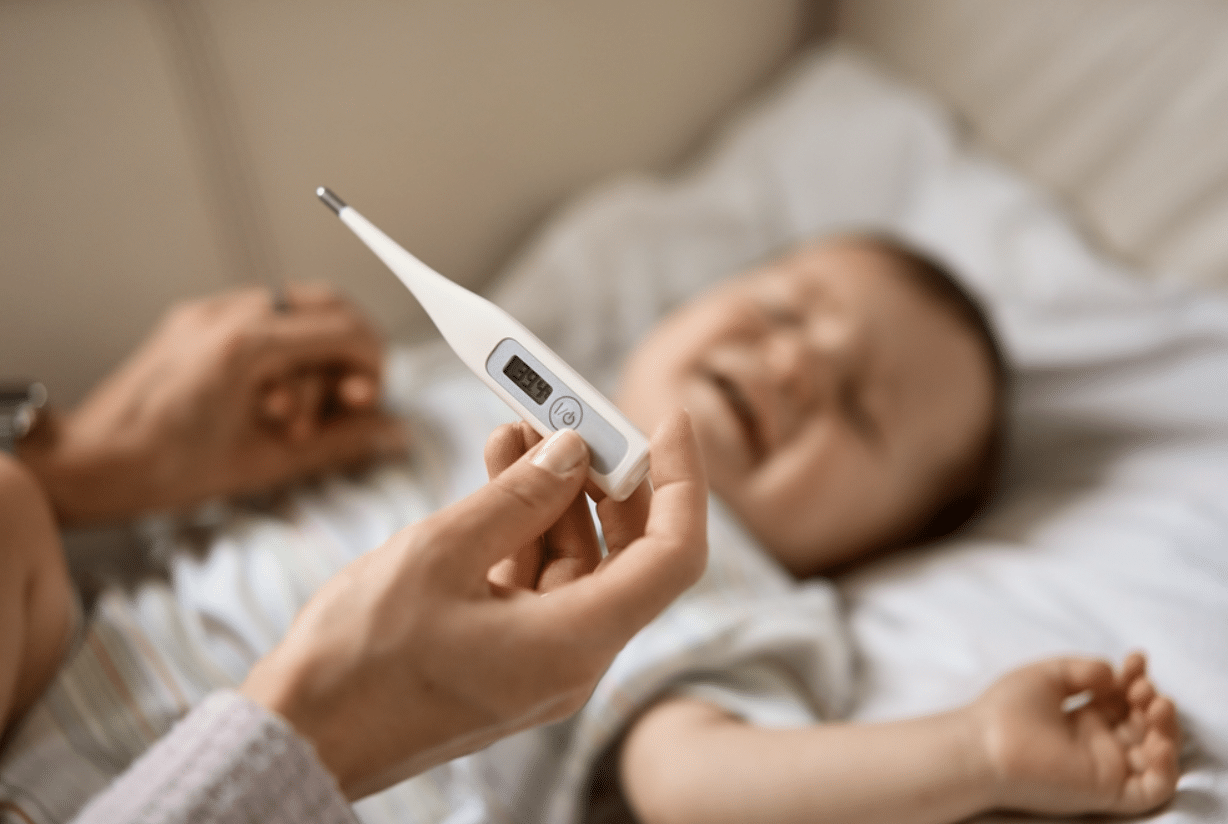
A baby’s body temperature naturally changes throughout the day. It can rise after crying, feeding, or even being bundled up too warmly. In general, a fever is a temperature of 100.4°F or higher.
How you check matters too. Rectal readings are the most accurate for infants. Armpit readings are easier and still helpful, but they can read a little lower than the true body temperature. If an armpit reading seems high, it’s a good idea to recheck using a more accurate method.
A fever is part of how the immune system responds to infection. It’s your baby’s body doing its job. That said, age and symptoms play a big role in deciding when medical attention is needed.
Why Babies Get Fevers
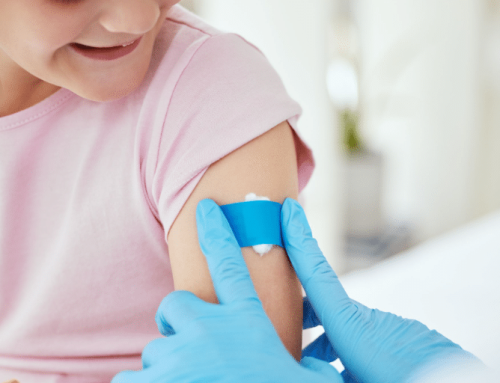
Most fevers in babies come from viral infections. These include common colds, stomach bugs, and other viral illnesses that cause runny nose, cough, or sore throat. Fevers can also happen after vaccines, which is a normal response and usually goes away within a day or two.
Sometimes a fever is linked to a bacterial infection like an ear infection or strep throat. These can need medical care and sometimes medication from your child’s doctor or pediatrician.
Since babies can’t explain how they’re feeling, paying attention to behavior is just as important as checking the thermometer.
When to Take a Baby to Urgent Care for Fever
This is the part every parent really wants clear answers on. Knowing when to take a baby to urgent care for fever can help you avoid waiting too long or rushing in when it isn’t needed.
Urgent care is a great option when your pediatrician’s office is closed, it’s the weekend, or you need answers quickly but your baby is stable.
You should seek medical attention at urgent care if your baby has a fever and any of the following symptoms.
Your Baby Is Under 3 Months Old
Any fever in a baby younger than 3 months should be checked by medical professionals right away. Their immune system is still developing, and infections can become serious faster at this age.
The Fever Stays High or Keeps Coming Back
If your baby’s temperature stays high even after using acetaminophen or ibuprofen when age appropriate, it’s time to get medical care. A fever that keeps returning can point to an infection that needs treatment.
Trouble Breathing or Difficulty Breathing
Fast breathing, pulling in around the ribs, flaring nostrils, or noisy breathing are not things to monitor at home. These are signs your child needs emergency care right away.
Stiff Neck, Severe Headache, Or Changes in the Soft Spot
A stiff neck, severe headache, or a bulging soft spot on your baby’s head can be signs of serious illness and should be checked immediately.
Signs of Dehydration
Watch for dry mouth, fewer wet diapers, no tears when crying, or extreme sleepiness. Babies can get dehydrated quickly, especially if they’re not feeding well.
Your Baby Is Hard to Wake or Unusually Limp
If your baby is difficult to wake, not responding like they normally do, or seems very weak, don’t wait. This is a reason to go straight to emergency care or a children’s hospital.
Fever With Other Concerning Symptoms
Fever along with earache, signs of an ear infection, ongoing vomiting, rash that doesn’t fade when pressed, or nonstop crying that can’t be soothed should be checked by a healthcare provider.
Urgent Care vs Emergency Room for Baby Fever
It can be hard to know where to go in the moment. Pediatric urgent care clinics handle many fever related visits and are often faster and less stressful than emergency rooms.
Urgent care makes sense when:
- Your baby has a fever and mild to moderate symptoms
- Your pediatrician’s office is closed
- You want medical advice the same day
Emergency rooms are better when:
- There is trouble breathing
- Your baby is unresponsive or very hard to wake
- Symptoms seem life threatening
If you’re ever unsure, it’s okay to choose emergency care. Going with your gut is part of protecting your child.
What You Can Do at Home While Watching Symptoms
Not every fever means you need to leave the house right away. If your baby is alert, feeding fairly well, and acting close to normal, you can try a few comfort steps while keeping a close eye on them.
Keep Clothing Light
Use lightweight clothing and avoid heavy blankets. Overbundling can trap heat and make your baby more uncomfortable.
Offer Fluids and Regular Feeds
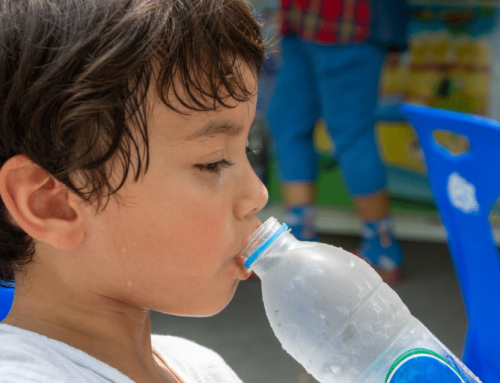
Breast milk, formula, or small sips of water if age appropriate help prevent dehydration and support recovery.
Use Fever Medicine Correctly
Acetaminophen and ibuprofen can help reduce discomfort when used at the right dose for your baby’s age and weight. Don’t give medicine more often than directed, and never give aspirin to children.
Focus on Behavior, Not Just the Number
A baby who’s smiling, feeding, and responding normally is usually less concerning than a baby who seems very tired or in pain, even if the temperature is similar.
If anything changes or your instincts say something isn’t right, that’s your cue to seek medical attention.
How Urgent Care Can Help Your Child
At Premier Family Medical, urgent care teams see young children with fever every day. Providers can check vital signs, examine ears and throat, and look for signs of viral infections or bacterial illness.
During your visit, they may:
- Check for ear infection or sore throat
- Ask about recent vaccines and illnesses
- Look for signs of dehydration or breathing issues
- Help decide if follow up with your pediatrician’s office is needed
You’ll also get guidance on home care, medicine dosing like Tylenol, and what symptoms should bring you back in.
Common Fever Worries That Aren’t Always True
Fever comes with a lot of scary myths that can make parents panic faster than they need to.
Fever Alone Does Not Cause Brain Damage
Typical childhood fevers from infections do not harm the brain. Serious complications are rare and usually linked to severe illness, not routine viral infections.
Teething Usually Does Not Cause Real Fever
Teething might cause slight temperature changes, but true fever usually points to illness instead of teeth coming in.
Fever Helps Fight Infection
It’s part of how the immune system works. The main goal is keeping your baby comfortable and safe, not just chasing a lower number.
When to Follow Up With Your Child’s Doctor
Even after an urgent care visit, checking in with your child’s doctor can be helpful, especially if symptoms continue.
Follow up is important if:
- The fever lasts more than a few days
- Symptoms get worse instead of better
- Your child was diagnosed with an infection that needs monitoring
Your pediatrician knows your child’s health history and can guide longer term care.
Peace Of Mind Is Worth The Visit
If you’re worried about your baby’s fever, you don’t have to handle it alone. Premier Family Medical in Utah offers walk-in urgent care so you can get answers and support when you need them most. Trust your instincts, trust your care team, and know that it’s always okay to ask for help when your child needs it.
If you’re planning to come in, you can save time by reserving your spot online before you arrive. This helps reduce waiting and lets the team know you’re on the way. Save your spot today.